Precision Engineering and Global Compliance: A Technical Narrative on HICLOVER Waste Incinerators

Precision Engineering and Global Compliance: A Technical Narrative on HICLOVER Waste Incinerators
In the heart of the industrial revolution in environmental management, the **incinerator for clinical waste incineration** by HICLOVER emerges as a benchmark in safety, efficiency, and regulatory compliance. With adherence to stringent industrial standards and a focus on engineering reliability, this system meets and often exceeds **medical incinerator operating temperature standards** within a temperature range specifically designed for optimal destruction of contaminants. As the global community tightens regulations and pushes for higher standards—whether through WHO directives or EU emission frameworks—HICLOVER has constructed waste incinerators that blend state‐of‐the‐art technology with decades of engineering experience.
Technical Insights into Combustion Principles and Temperature Standards
The narrative of HICLOVER’s waste incinerators is one that starts with precise attention to technical specifications and regulatory requirements. The combustion process is designed to achieve complete destruction of wastes, including hazardous types, which is critical for both **incinerator for clinical waste incineration** and **incinerator for incinerator for waste recycling**. In each system, combustion principles are engineered to guarantee a high temperature retention period in both primary and secondary combustion zones. The dual combustion chambers ensure that waste is not only incinerated efficiently but also that the process remains within the industrial standard ranges necessary for fulfilling regulatory requirements.
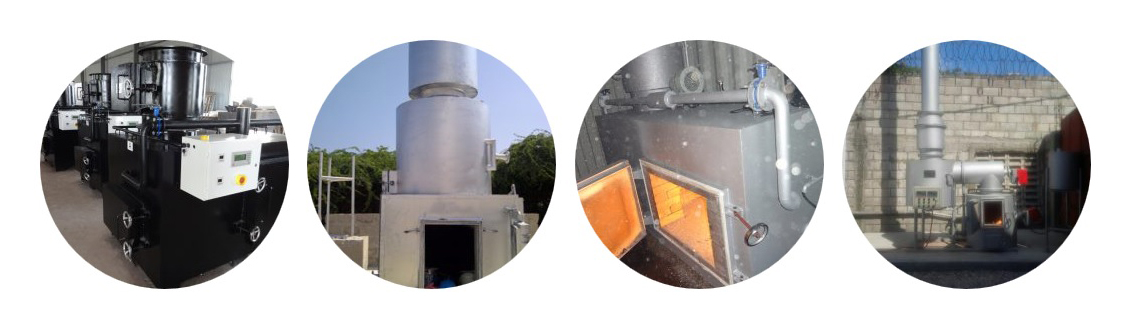
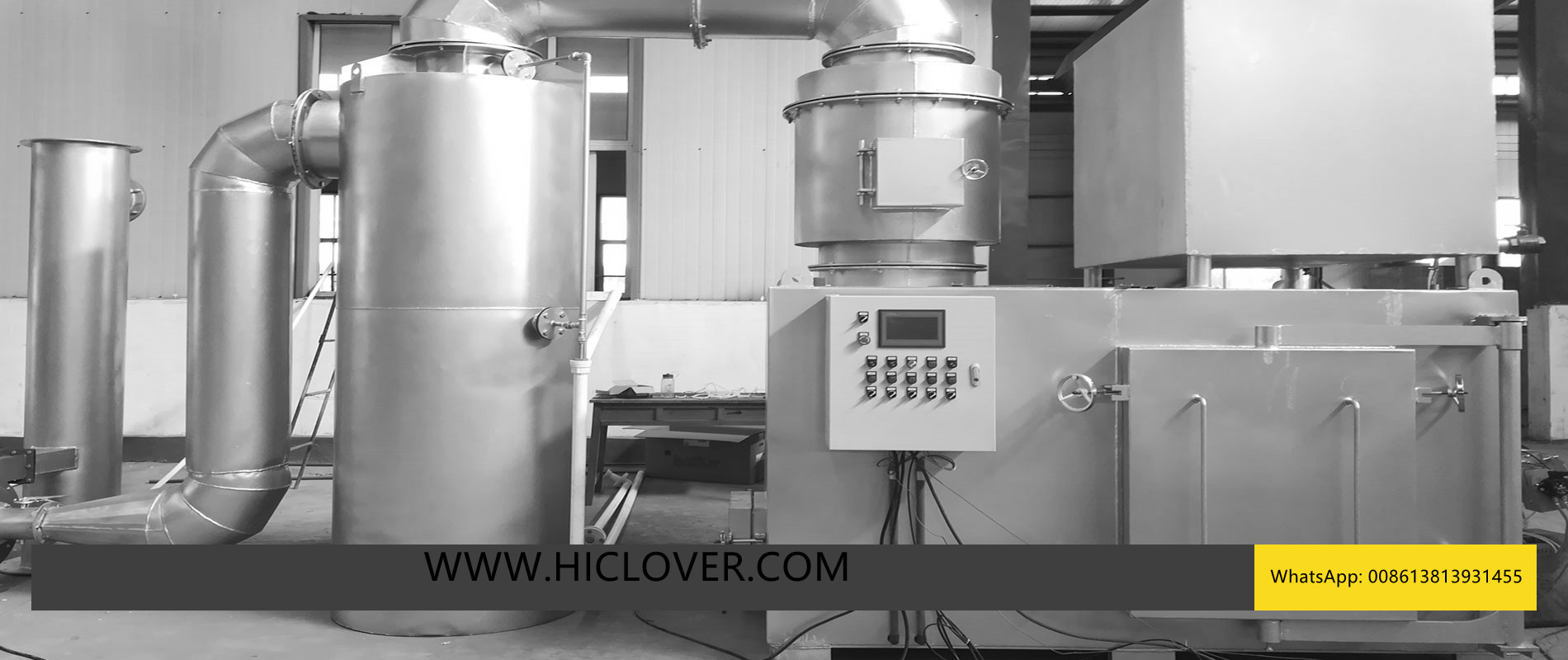
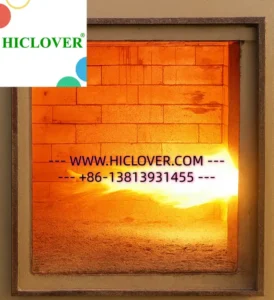
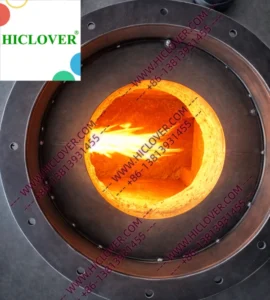
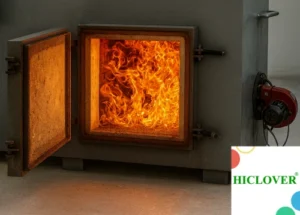
The first combustion chamber, built with robust materials and engineered with containerized modular systems, operates at temperatures in excess of 850°C. This high temperature is maintained by PLC automation and integrated digital sensors that continuously monitor the conditions. The secondary combustion chamber offers a safety net, ensuring that any residual combustible gases are fully oxidized. This meticulous design supports compliance with environmental standards while minimizing carbon emission pressures, an increasingly critical demand in today’s global market.
An equally important aspect is the integration of technical temperature standards. For example, research on medical+incinerator+secondary+chamber+temperature+standard shows that modern incineration systems must maintain precise temperature gradients to ensure complete destruction of toxic compounds. HICLOVER’s design boasts a dual-chamber operation where the first chamber is optimized for rapid combustion and the second for prolonged retention of high temperatures, ensuring that even volatile chemical compounds are safely broken down.
The engineering reliability of these systems is underpinned by robust quality checks and certification compliance that meet both local and international benchmarks. Design elements such as PLC automation allow for remote monitoring and adjustments, ensuring that the incinerator always operates within the specified parameters and complies with evolving industrial emission frameworks. This integrated approach provides industries and communities with an unyielding defense against rising challenges in waste disposal, particularly in crisis zones, humanitarian camps, and remote mining or oil camps where decentralized waste management is crucial.
Regulatory References and Global Standards
The HICLOVER waste incinerators also adhere strictly to regulatory references including guidelines published by the WHO and EU emission frameworks. By implementing these standards, each unit is capable of delivering safe clinical waste incineration and treatment of solid waste for both healthcare and industrial sectors. The system’s dual combustion chambers and optional wet or dry scrubber installations help in meeting the required emission thresholds. As worldwide regions emphasize global infectious disease preparedness and carbon emission reduction pressures, these incinerators serve as reliable units for managing hazardous waste streams while protecting public health and the environment.
Within these frameworks, specific engineering aspects such as the proper integration of a dry scrubber versus a wet scrubber are considered. A dry scrubber system might be ideal in scenarios where water availability is limited, such as in remote mining camps or humanitarian situations, whereas wet scrubbers provide an efficient capture of acid gases and particulates under industrial settings. Such decisions are not taken lightly; they are the result of extensive testing and certification procedures undertaken by HICLOVER’s expert engineering team. For more detailed technical insights and engineering assessments, visit HICLOVER.
The compliance with temperature range specifications and certification for incineration devices ensures that each product is built to uphold both safety and efficiency. This balance between operational safety and energy recovery makes HICLOVER waste incinerators a vital contributor to both traditional waste management and modern energy reclamation strategies.
Commercial Investigations: Comparative Analyses of Incinerator Designs
The journey into the commercial realm of waste incinerators reveals a landscape where choice, adaptability, and sustainable outcomes take precedence. Market comparisons frequently highlight the technological advancements and operational efficiency benefits of containerized, mobile modular systems as opposed to fixed installations. With the introduction of PLC automation and mobile plug-and-play designs, HICLOVER stands distinctly apart from trading companies by offering factory direct supply and highly customizable configurations.
Notably, our incinerator range facilitates multiple fuel options—diesel, LPG, and natural gas—ensuring that operations can be optimized for local resource availability and energy costs. Any investigation into these systems shows significant differences between PLC controlled automation and manually operated units. The automated units not only provide increased accuracy and reliability in combustion control but also lower operational risks in environments where precise temperature control is critical for meeting high industrial standards.
Moreover, the narrative unfolds further when examining the various types of scrubbers. Dry scrubbers, as referenced earlier, are favored in settings where water consumption is a limiting factor, while wet scrubbers are chosen for applications that require extensive mitigation of air pollutants. When considering **incinerator for incinerator for waste recycling** and **incinerator for incinerator for solid waste** scenarios, these design decisions are based on a deep integration of environmental, operational, and economic factors. Instilling a modular, containerized design supports remote site suitability and decentralized waste management efforts in geographically isolated regions and crisis zones & humanitarian camps.
This innovation is supported by a stable supply chain and extensive engineering experience that minimizes downtime and provides continuous support for equipment worldwide. Factors such as ease of operational installation, remote monitoring via PLC systems, and the clear advantages of mobile modular designs make these incinerators a preferred solution for both established industrial complexes and emerging facilities in high-demand regions.
Every manufacturer scrutiny reveals that HICLOVER incinerators provide a robust solution through strategic design functions. This includes customizable chamber volumes designed to adapt to a variety of waste types, such as clinical, solid, and recycling wastes. This customization is essential for meeting diverse regulatory requirements and ensuring compliance with strict environmental guidelines mandated by international agencies. In each design, the dual-chamber operation reinforces reliability by ensuring redundant safety measures and consistent performance.
Competitive comparisons demonstrate that flexible design options with factory manufacturing capability markedly outweigh the offerings of typical trading companies. The tailored approach is evident in every aspect—from reactive controls in the combustion system to the digital interface that supports PLC automation—making it not just a product, but a comprehensive waste management solution for a variety of commercial needs.
Mobile Modular and Factory Direct Advantages
The practical benefits of opting for a mobile modular design are undeniable. HICLOVER waste incinerators are engineered to thrive in remote areas, including decentralized waste management settings and remote mining/oil camps. They not only provide a plug-and-play design but also support the needs of transient operations in crisis zones & humanitarian camps. The mobility of these systems reduces the logistical complexity and allows rapid deployment during emergencies, which is crucial in managing waste streams during infectious disease outbreaks or other public health crises.
The factory direct supply model is another major advantage. By bypassing intermediaries, HICLOVER ensures that every unit meets exacting quality standards and is accompanied by a solid engineering after-sales support network. This stable supply chain fosters improved cost control, speedier maintenance, and easier customization processes, making it an ideal solution for large-scale implementations. Additionally, the use of PLC automation integrated within the design accelerates diagnostics and remote operational control, thereby increasing both efficiency and reliability.
This mobile modular advantage finds it particularly useful in setups that require quick scaling and relocation—features that are essential in areas facing carbon emission reduction pressures. Moreover, the system’s inherent flexibility accommodates variations such as dual-combustion chambers and optional configurations with wet or dry scrubbers, making it a resilient solution amidst evolving environmental policies and logistic challenges.
Transactional Excellence: Factory Direct Supply and Customization Capabilities
The transactional aspect of investing in HICLOVER waste incinerators is equally compelling. Factories are designed to deliver consistent quality and customizability that caters to the diverse needs of global markets. With a stable supply chain and proven engineering experience, HICLOVER waste incinerators are available as factory direct supply, reducing the uncertainty associated with lengthy delivery times and inconsistent product quality from trading companies.
Customization in chamber volume, based on client-specific requirements, is afforded through precision engineering. Clients looking for an **incinerator for incinerator for solid waste** can benefit from designs that allow a wide array of fuel inputs—from natural gas to LPG. These units are designed to smoothly integrate with remote digital automation systems that allow rapid adjustments in operation, making them particularly relevant in markets that prioritize digital automation in industrial equipment.
In scenarios where unique installation requirements exist, such as in isolated humanitarian camps or remote mining/oil camps, the mobile plug-and-play design promises convenience and adaptability. The configuration can be tailored to include additional features like energy recovery systems, which provide an added economic benefit from heat by-products. Such approaches demonstrate how HICLOVER not only meets current market requirements but also anticipates future trends in decentralized waste management and ESG compliance.
The global export capability of HICLOVER further supports its role as a leading provider of waste incinerators, delivering compliance and engineering excellence worldwide. The success of their engineering solutions is built on decades of experience and continuous improvements in operational efficiency. This stable supply chain means that clients receive predictable maintenance, detailed installation support, and comprehensive after-sales services that maintain uptime and ensure regulatory adherence over long term deployments.
The engineering narrative is not just about hardware—it is also about the software integration through PLC automation. This enables remote site monitoring and data-driven control in real-time, a feature that is particularly valuable when rapid decision-making is critical. For instance, in global infectious disease preparedness, immediate feedback and operational adjustments based on sensor data become indispensable. The integration of such features illustrates HICLOVER’s commitment to providing resilient and reliable waste incinerators that serve both routine and exceptional environmental management needs.
Enhancing Engineering Reliability and Supply Chain Resilience
Engineering reliability within HICLOVER’s waste incinerators is underpinned by rigorous adherence to industry certification standards and continuous quality verification methodologies. Each unit undergoes systematic testing to ensure adherence to industry regulations, including precise temperature retention for optimum combustion and emissions control. This serves to protect both public health and the environment across applications that span from clinical waste incineration to recycling and solid waste management.
The design and production facilities of HICLOVER, backed by decades of engineering expertise, ensure that every incinerator is built to deliver consistent operational reliability. With strategic investments in digital automation and robust quality assurance systems, these units are equipped to handle variations in fuel type and operational pressure. This is critical not only for routine tasks but especially in mission-critical deployments in remote areas where supply chain resilience must be maintained despite challenging conditions.
Furthermore, the dual combustion chambers guarantee a fail-safe operation. The first chamber accelerates combustion while the secondary chamber ensures thorough oxidation of all remnants, meeting even the strictest industrial and environmental regulatory conditions. Such precision engineering offers clients a product that not only conforms to current standards but is also flexible enough to adapt to future compliance requirements in both clinical and industrial applications.
The integration of factory direct supply methods over trading company models further enhances product integrity and customer trust. Buyers benefit from lower cost structures, guaranteed quality, and the assurance of tailored service from directly managed operational networks. This tailored support is essential for maintaining performance over many years, particularly in sectors facing technological upgrades related to energy recovery systems and carbon emission reductions.
Final Considerations on HICLOVER Waste Incinerators and Industry Trends
Tracing the evolution of waste management solutions reveals that HICLOVER waste incinerators are a product of meticulous design, extensive regulatory compliance, and advanced automation integration. Each design decision—ranging from the choice of fuel to the incorporation of dual combustion chambers—is made with an eye on achieving the optimum balance of efficiency, safety, and environmental protection. This philosophy is especially pertinent in today’s socio-economic landscape, where global infectious disease preparedness, ESG compliance, and carbon emission reduction pressures drive demand for state-of-the-art technological solutions.
From a technical perspective, the integration of remote site suitability and digital automation in industrial equipment has redefined how hazardous and non-hazardous wastes are managed. HICLOVER’s expertise in manufacturing containerized modular waste incinerators offers a robust platform for addressing regulatory demands and adapting to dynamic market requirements. Whether one considers clinical waste incineration or the disposal of industrial solid waste, the advanced design and operational flexibility of these systems serve as a testament to decades of engineering refinement.
With a strong foundation built on factory direct supply, customizable chamber volumes, and an unwavering emphasis on compliance with international standards, HICLOVER waste incinerators are poised to meet future challenges head-on. The focus on remote digital automation, multi-fuel adaptability, and energy recovery systems further enhances their appeal in markets where environmental compliance and economic efficiency are paramount. This is particularly true in regions that are under pressure to adhere to strict ESG guidelines and reduce carbon footprints while ensuring efficient waste management in decentralized contexts.
By merging technical clarity with industrial reliability, HICLOVER positions its waste incinerators as the ideal solution for customers who demand a reliable, efficient, and compliant system. The combination of innovative engineering, proven manufacturing capability, and a resilient supply chain ensures that these incinerators are not only built for today’s challenges but are also designed to evolve with future regulatory and technological advancements.
In reflecting on the comprehensive narrative of HICLOVER waste incinerators, it is clear that their design philosophy embodies the integration of rigorous technical standards, commercial feasibility, and transactional excellence. As industries continue to demand robust and sustainable waste management solutions, HICLOVER’s approach—involving state-of-the-art PLC control systems, containerized modular designs, and a deep commitment to industrial quality—serves as a critical reference in the evolving landscape of waste incineration technology.