Innovative Engineering Solutions in HICLOVER Waste Incinerators

Innovative Engineering Solutions in HICLOVER Waste Incinerators
What are HICLOVER waste incinerators and how do they function for waste reduction?
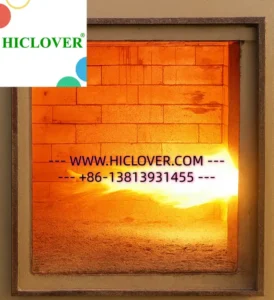
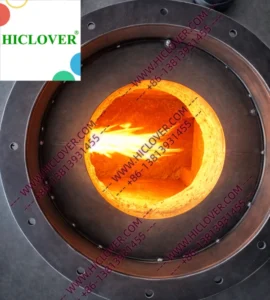
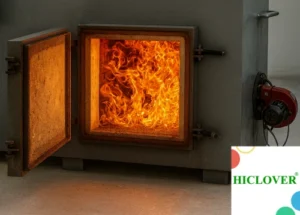
HICLOVER waste incinerators are advanced systems designed specifically for the **incinerator for waste reduction** process. These machines operate within stringent industrial standards, effectively converting various waste materials into ash, gases, and heat through high-temperature combustion. Typically, the incinerator operates at temperatures ranging from 800°C to 1200°C, ensuring complete destruction of organic materials and minimization of harmful emissions. The dual chamber design allows for secondary combustion, further enhancing destruction efficiency and supporting compliance with global standards such as WHO and EU emission frameworks.
What technical features distinguish HICLOVER waste incinerators?
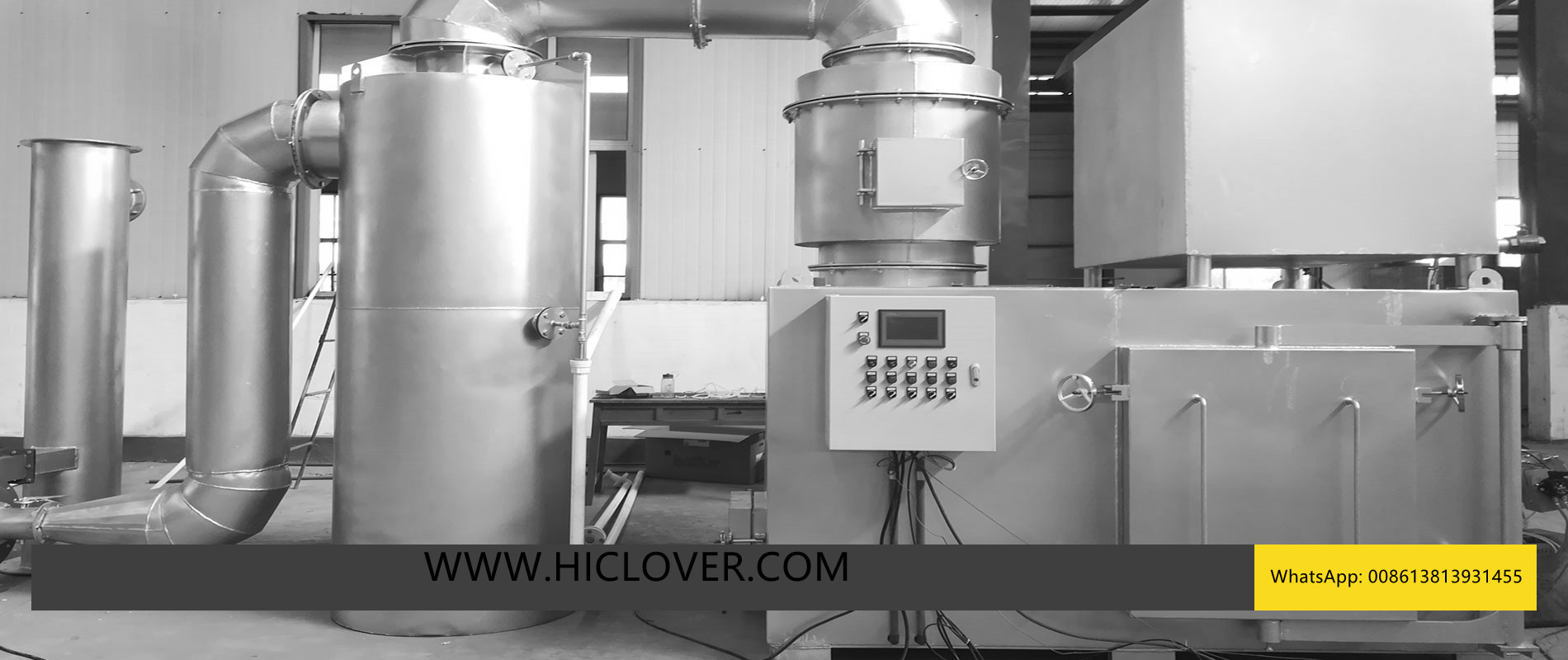
HICLOVER waste incinerators are characterized by multiple technical features that enhance their operational efficiency. Notably, the **incinerator for industrial waste incinerator** applications utilizes a dual combustion chamber setup. The primary chamber is responsible for the initial combustion, while the secondary chamber ensures that any remaining combustible materials undergo thorough burning, reaching retention times mandated by regulatory bodies.
The systems are equipped with high-temperature resistant materials and advanced PLC automation, allowing precise control of combustion conditions. This is essential not only for operational reliability but also for ensuring compliance with stringent emissions standards. The incorporation of dry or wet scrubber systems provides additional layers of emission control, adapting to various operational environments.
How do HICLOVER waste incinerators support various waste management scenarios?
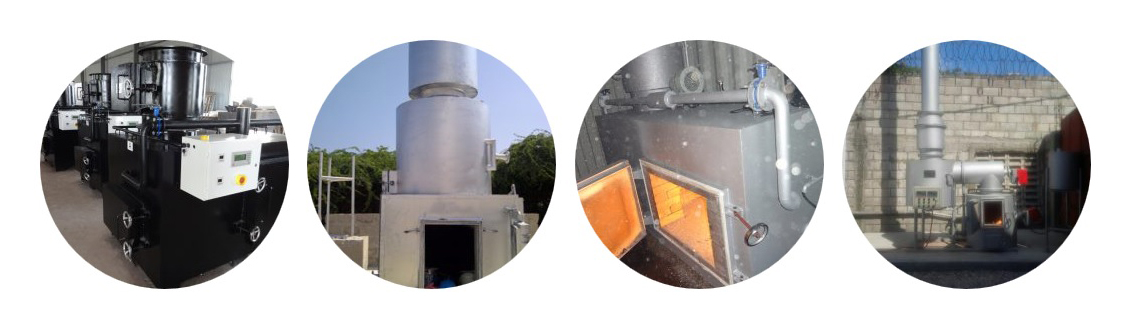
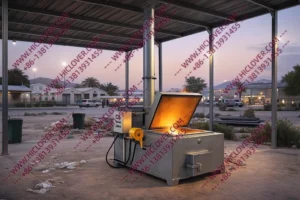
HICLOVER offers customizable solutions that cater to diverse waste management needs. For example, the **incinerator for incinerator training and support** can be deployed in remote locations such as humanitarian camps or crisis zones, where efficient waste disposal is critical. The design of the containerized modular systems enables easy transport and setup, accommodating the operational requirements in dynamic environments. Furthermore, systems are engineered to handle multiple fuel types including diesel, LPG, and natural gas, offering flexibility in energy sourcing.
What are the advantages of using HICLOVER’s modular systems?
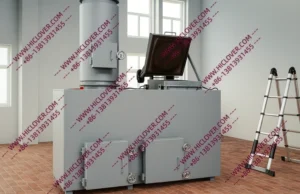
The **mobile plug-and-play design** of HICLOVER waste incinerators presents several significant advantages. These systems are particularly well-suited for remote mining or oil camps where traditional waste disposal methods are impractical. The modular design not only facilitates rapid deployment but also allows for scalability according to the volume of waste generated. This adaptability can lead to improved supply chain resilience, especially in environments where waste must be managed swiftly and effectively.
What regulatory frameworks govern the operation of HICLOVER incinerators?
Compliance with international and local regulatory frameworks is paramount for HICLOVER waste incinerators. The designs adhere to regulations set by bodies such as the World Health Organization (WHO) and European Union directives, ensuring that emissions are kept within acceptable limits. The high-temperature retention achieved in dual combustion chambers is critical for minimizing the release of toxic compounds, thereby contributing to environmental protection and public health.
These regulatory frameworks are increasingly stringent due to public pressure regarding carbon emission reduction. As governments and organizations strive to meet ESG (Environmental, Social, and Governance) compliance goals, the efficient operation of waste incinerators like those from HICLOVER becomes vital to achieving these targets. The incorporation of energy recovery systems further enhances sustainability, transforming waste into usable energy.
How do HICLOVER waste incinerators compare with conventional systems?
When contrasting HICLOVER waste incinerators with traditional systems, several distinctions become apparent. The choice between fixed and containerized incinerators often hinges on the specific application and site requirements. Fixed systems may offer higher throughput for industrial facilities, while containerized options are better suited for remote or temporary installations.
Additionally, the integration of PLC automation in HICLOVER systems stands in stark contrast to manual control methods prevalent in older incinerator designs. Automation enhances operational efficiency and safety by allowing for real-time monitoring and adjustments based on combustion conditions.
What are the implications of using advanced incineration technologies?
The adoption of advanced technologies in waste incineration, such as those utilized by HICLOVER, has far-reaching implications. They not only streamline waste management processes but also play a pivotal role in addressing global challenges such as infectious disease preparedness. For instance, in settings where medical and hazardous waste is generated, the reliability of incinerator systems is critical to ensuring safe disposal and protecting public health.
Moreover, the focus on energy recovery systems aligns with current technological trends toward sustainability. By converting waste into energy, HICLOVER systems contribute to reducing the overall carbon footprint associated with waste management operations.
How can government officials and regulatory bodies leverage HICLOVER solutions?
Government officials and regulatory bodies can leverage HICLOVER waste incinerators by integrating these solutions into their waste management strategies. By adopting advanced incineration technologies, they can ensure compliance with environmental standards while also enhancing operational efficiency. HICLOVER’s factory direct supply and engineering experience further make these solutions viable for long-term investment in waste management infrastructure.
Customizable chamber volumes and stable supply chains ensure that waste management can be tailored to the specific needs of local communities and industries. This adaptability is essential in evolving waste disposal landscapes, where traditional methods may no longer suffice.
For more information on HICLOVER’s innovative incineration solutions, visit HICLOVER’s official website.